A soft charming man. A professional. This is my doctor now! Come and give yourself to his expertise!



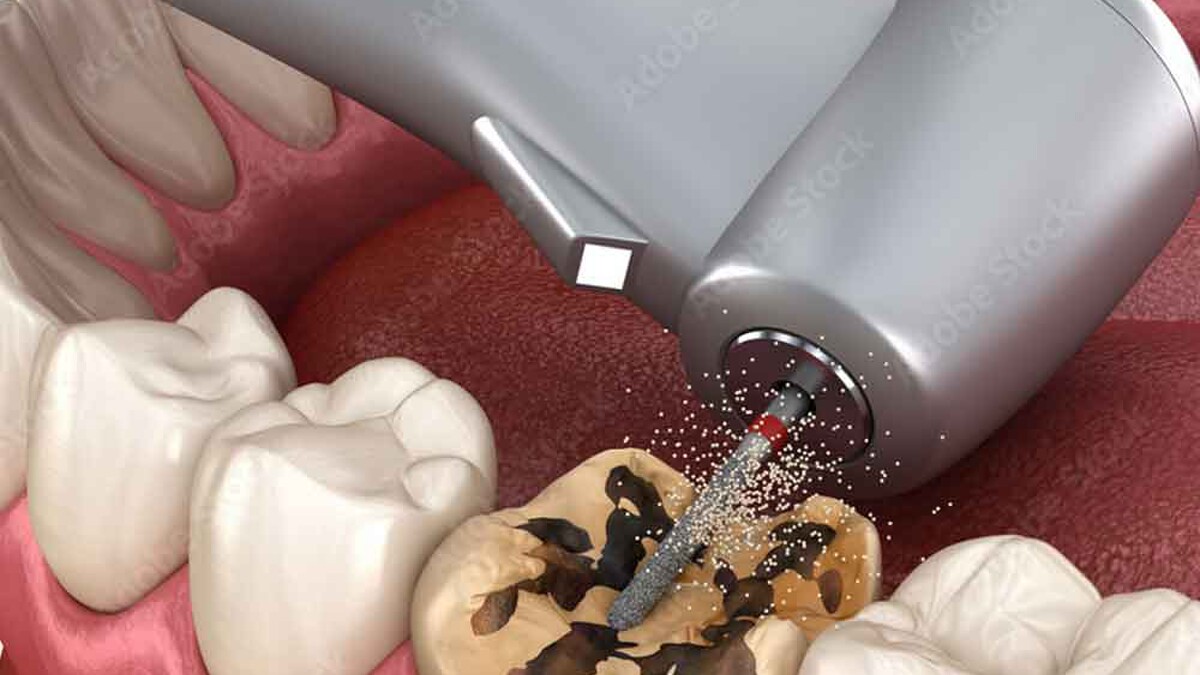
Tooth decay is the most common dental disease. There are many variants of damage to the tooth by decay, but as a rule, a person comes to the dentist only if the tooth is already diseased. "A tooth hurts," and this already means that urgent dental care is required otherwise - any immune provocation and bacteria penetrating the pulp will manifest itself immediately.
Why is it necessary to treat tooth decay?:
Absolutely, it will entail a loss of time, money and effort that could have been avoided by preventive treatment at the right time.
Treatment of a permanent tooth for decay. What is included in the procedure?
It's no secret that prevention is the best thing in dental care. Of course, all cases are different and each has its own history, but there is a similarity: clients with complex cases are rare visitors to the dentist and when choosing between making an appointment for a preventive check-up or waiting until "it will pass" they unfortunately choose the latter more often. Preventive check-ups are a simple diagnostic procedure which allows you to identify potential problems as early as possible. If you have a high sensitivity to cold, unpleasant reactions in the tooth area when eating sour, sweet or salty food, make an appointment with a dentist, it will save your nerves, money and time.
To make an appointment, click here.
A soft charming man. A professional. This is my doctor now! Come and give yourself to his expertise!
Today I was very lucky to see Sergei for the first time, my fear and fear is nothing to say! I had a tooth extracted and stitched and I didn't feel anything, I didn't even realise that I was done. I am very grateful to Sergei and Alla for such professionalism and kindness to people. Thank you very much

Wonderful doctor! Saved me a lot of teeth! He also gave me an implant, which turned out great! He does everything accurately, quickly and efficiently, and most importantly not painful! Thanks to him I am no longer afraid to go to procedures! Highly recommended!!! P.s as a person is very nice, caring and will always help! Thank you very much to the doctor!!!

© 2024 Dr. Sergey Shevchenko Dental Clinic. All rights reserved.